
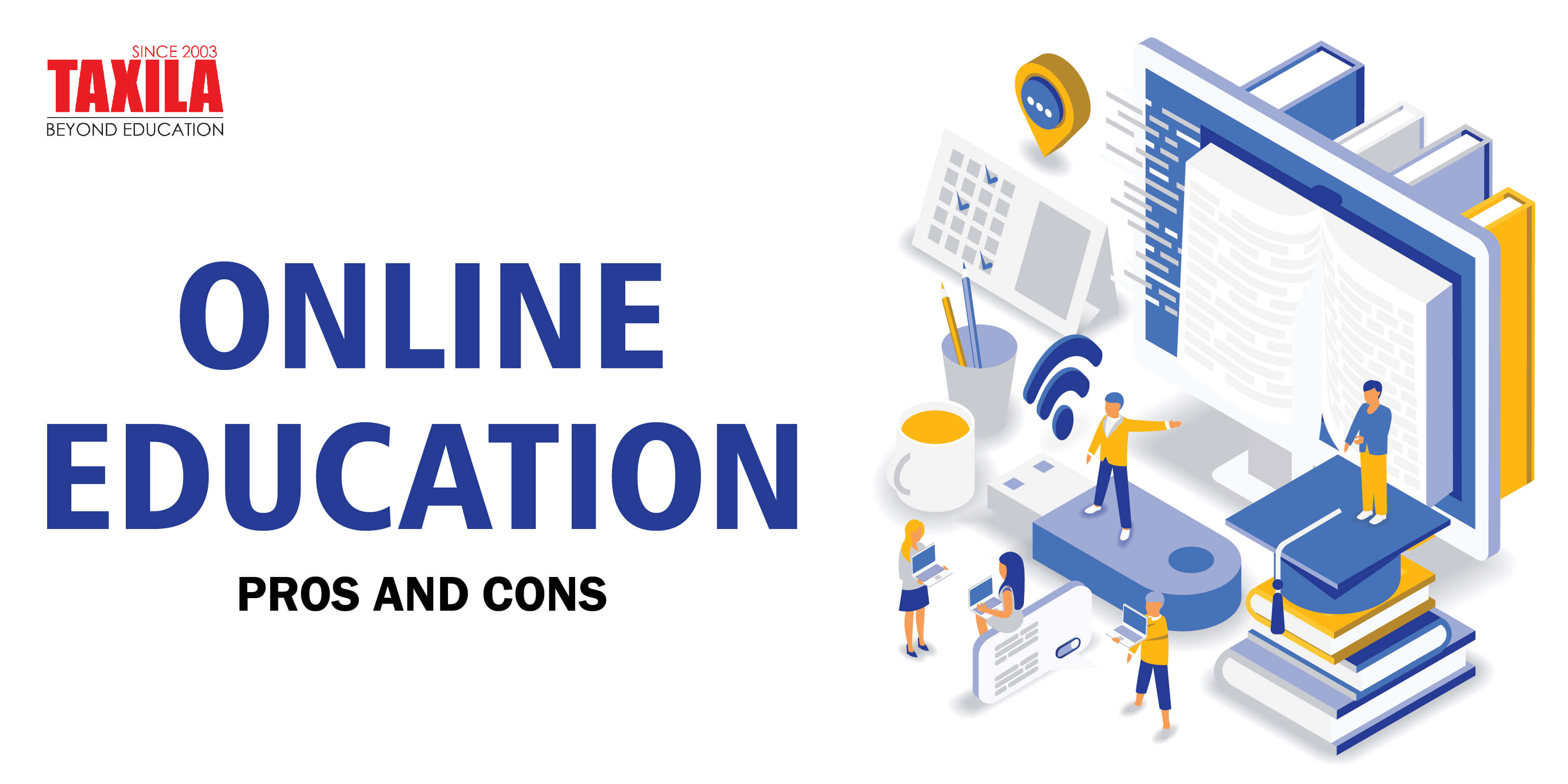
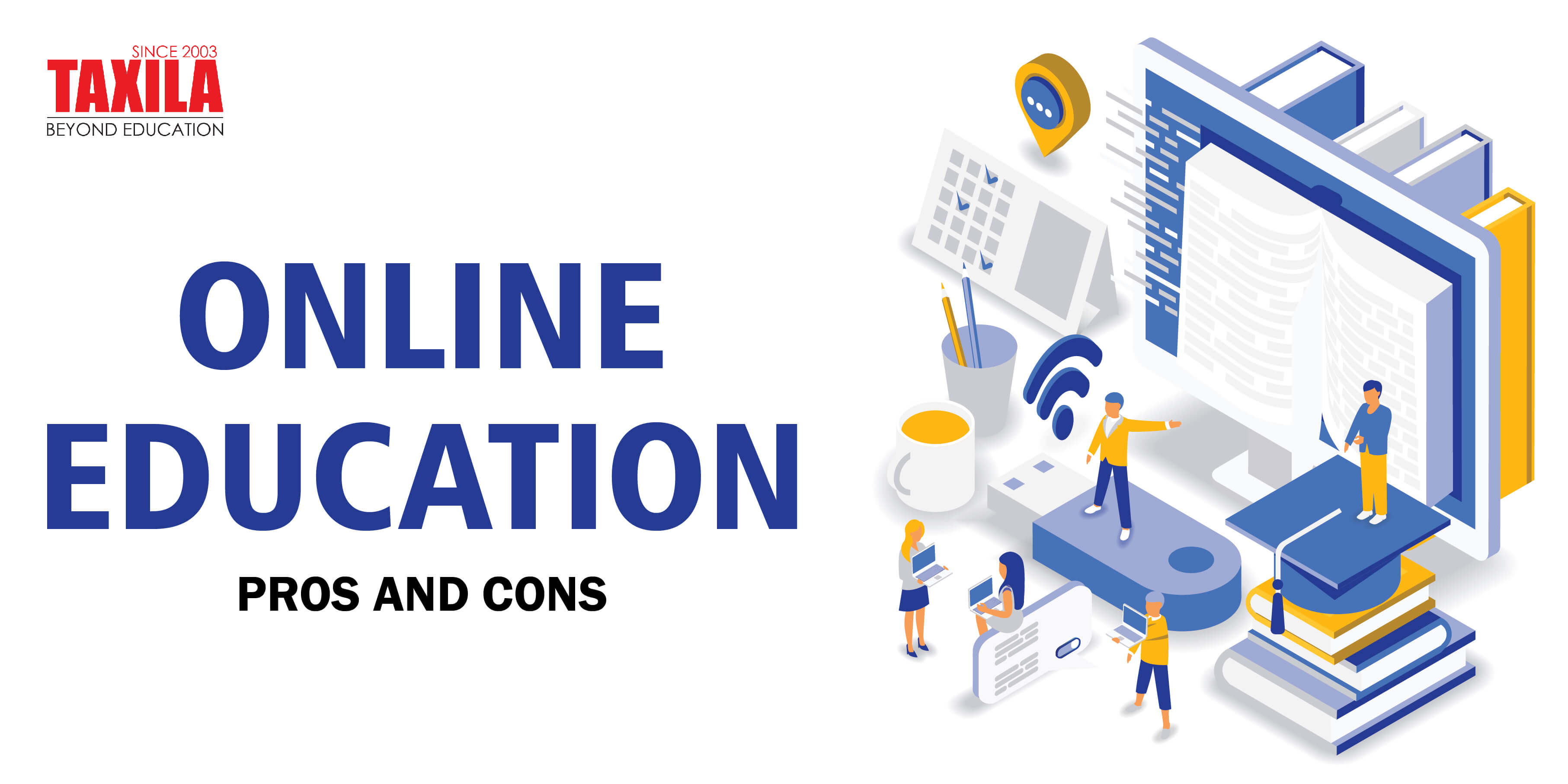
Online Education Pros and Cons
Did you know that more than half of Indian students still feel online classes cannot fully replace traditional learning? Online education is a major talking point today. It grew quickly during the COVID-19 crisis. Now, it keeps expanding due to digital platforms and worldwide reach. Students attend classes virtually. They finish homework online. They connect with teachers without going to a physical classroom. This method offers flexibility and access to many people.
The global online education market is expected to reach USD 585 billion by 2027 (Statista). In India, more than 92% of learners prefer online classes for flexibility, while around 68% still value face-to-face interaction. These stats show that the preference for online education is increasing day by day. It changes the ways of learning and teaching. Technology adoption is also increasing in India, so online education is more easily accessible.
- Statista projects that worldwide online education revenue will reach €185.70 billion in 2025, with an annual growth rate of about 8.18% between 2025-2029.
- A study in India showed 93.4% of students feel that online learning has compromised the quality of education.
- In Maharashtra, a survey of 158,601 students revealed 69% are not satisfied with online lectures.
- During the coronavirus pandemic, a massive number of online course enrollments were seen.
What is Online education?
Online education is a type of education that is conducted using computers or mobile phones, by using the internet. The online education market in India is poised to grow by $ 14.33 bn during 2020-2024, progressing at a CAGR of 21% during the forecast period.
Pros of online education
Lower cost: Online education saves a lot of cost when compared with the traditional form of education, as most of the books and reading materials are available on the internet and can be shared free of cost to the students. Online learning saves up to 70% of cost when compared to the traditional method.
Different methods of learning: This type of education can make the students have a very interactive experience in the classes, by using different resources available, for example, graphics/ videos to help students understand a topic.
Boost confidence in students: In India, most of the schools have around 50-80 students in a classroom. This reduces the confidence of children who are shy to raise their hands to solve any doubts or to answer questions. Whereas in the online lectures, students can feel comfortable and confident to speak without the fear of being judged from behind a computer screen.
Self-Paced Learning: As Online platforms allow students to pause, rewind, and replay lectures. By doing this, they learn at their own learning speed.
Increase in attendance rates: As these types of lectures can be attended from anywhere, the attendance rate will increase.
Accessibility of time and place: Education can be accessed from anywhere, which is why the schools can reach out to a larger number of students from different areas; the education won’t be limited to a particular geographical location.
Check out: The New Education Policy in India
Cons of online education
Minimal personal touch: This type of education makes it difficult for the student and professor to have proper communication, as it lacks human interaction. The factors like internet issues add to the already existing communication gap.
Technological issues: The lack of a consistent and stable internet connection may cause difficulty in the learning process of the students.
Distraction at Home: During online learning, family, pets, and other digital devices might create distractions for the student.
Health Issues: Online education requires long screen hours, which may cause eye strain, back pain, and poor posture.
Sense of isolation: In this type of education, there is very little interaction between peers, which brings in a sense of isolation in the minds of students. Being able to interact with peers is an important factor that helps in the growth of any individual.
Need for training for teachers: Teachers must be trained to have a basic understanding of how to use digital modes of learning in order to teach online. However, this is not always the case. They don't always have the resources and tools they need to offer online classes.
Online vs Offline Education
|
Feature |
Online Education |
Traditional Education |
|
Flexibility |
High – learn anytime, anywhere |
Fixed schedule, physical presence |
|
Cost |
Lower overall cost |
Higher due to fees, travel, and stay |
|
Interaction |
Mostly virtual, limited face-time |
Directly with teachers and peers |
|
Practical Learning |
Limited |
Better for labs and workshops |
|
Accessibility |
Global courses available |
Local or regional institutions |
Also Read: The Ethics of AI in Education
Conclusion
Like any kind of education, there are many pros as well as cons of choosing online education. In India, online education is growing fast. It provides freedom, flexibility, affordable learning, diverse choices, and access to global knowledge. But online education never fully replaces traditional education, especially face-to-face interaction, hands-on practices, and personal guidance. And of course, there are challenges as well in online education, like technology, health-wise, and the quality of education. A balanced approach of blended learning – a mix of online and offline education – may be the best way forward.
References:
- https://www.statista.com/outlook/emo/online-education/worldwide?srsltid=AfmBOoqL5aI84nht774PmQdCYYbZGJRmORFL66TOZh7erhcCbh84ysYU
- https://timesofindia.indiatimes.com/education/news/93-pc-of-students-think-online-learning-compromises-quality-of-education-survey/articleshow/80703125.cms
- https://www.hindustantimes.com/cities/pune-news/survey-69-per-cent-of-students-not-satisfied-with-online-lectures-demand-reduction-in-syllabus-101615220417508.html?utm_source=chatgpt.com

Author – Hrushabh Dhonde
Student Batch: (T 26)